
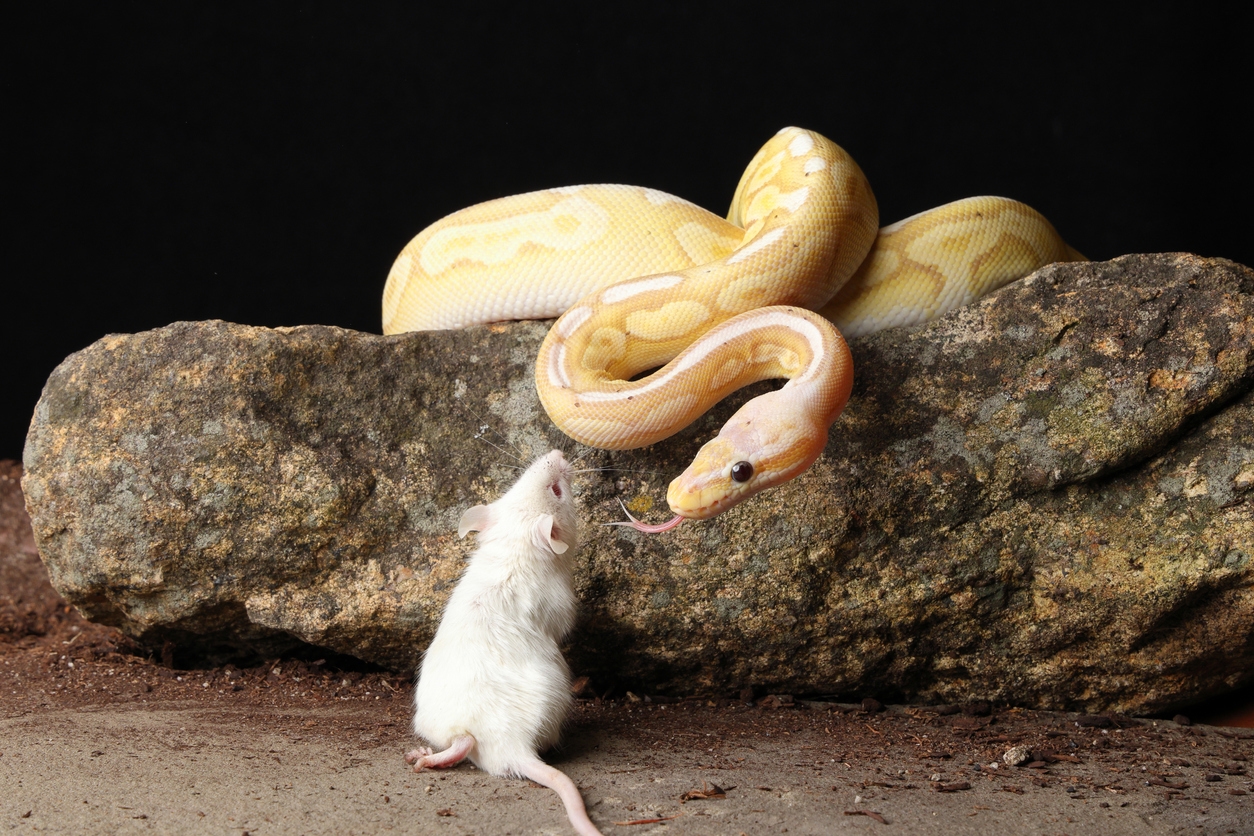
One of the most common feeding questions new snake keepers ask is whether they should feed a snake in its enclosure or move it to a separate tank. Many people worry that enclosure feeding will cause aggression, create bad habits, or lead to feeding problems later.
In my experience, I mostly fed my snakes in the enclosure and had no issues. Because of that, I think this topic is often made more complicated than it needs to be. For most pet snakes, feeding in the enclosure is simple, safe, and less stressful. However, there are a few situations where a separate feeding setup can still be useful.
If you are trying to decide between feeding in enclosure vs separate tank methods, the best choice usually depends on stress level, feeding consistency, and how easy it is to keep the feeding process clean and predictable.
Table of Contents
- Why People Debate Feeding in Enclosure vs Separate Tank
- Benefits of Feeding a Snake in Its Enclosure
- Does Feeding in the Enclosure Cause Aggression?
- What People Call “Cage Aggression” Is Often Something Else
- The Main Risk of Feeding in the Enclosure: Substrate Ingestion
- When a Separate Feeding Tank May Make Sense
- Downsides of Feeding in a Separate Tank
- Feeding in Enclosure vs Separate Tank: Which Is Better for Beginners?
- Best Practices for Feeding in the Enclosure
- Final Verdict
Why People Debate Feeding in Enclosure vs Separate Tank
This debate has been around for years. A lot of older care advice recommended moving snakes into a separate feeding tub every time they ate. The usual reasons were:
- to prevent “cage aggression”
- to avoid substrate ingestion
- to stop the snake from associating the enclosure opening with food
Those concerns sound logical, but they are often overstated. In real-world keeping, many snakes feed perfectly well in their normal enclosure without becoming aggressive at all.
For most snakes, the enclosure is the place where they already feel secure. As a result, leaving them there during feeding often reduces stress rather than creating problems. That matters even more for a new snake that is still adjusting. If your snake is still settling in, read How Long Does It Take for a Snake to Settle In? and First Week with a New Snake: What’s Normal and What’s Not.
Benefits of Feeding a Snake in Its Enclosure
When comparing feeding in enclosure vs separate tank routines, enclosure feeding usually has more advantages for the average keeper.
Less Stress Before Feeding
Moving a snake before a meal adds extra handling at the exact moment you want the snake to feel calm and focused. Some snakes tolerate that well. Others do not.
A snake that stays in its enclosure remains in a familiar environment with the right temperatures, the right smells, and access to cover. Because of that, enclosure feeding often encourages a better feeding response.
This is especially helpful for shy snakes, young snakes, or species that prefer minimal disturbance.
Less Unnecessary Handling
When you use a separate tank, you have to lift the snake out, place it in another container, wait for it to feed, and later return it to the enclosure. That creates more disturbance than many snakes need.
In my experience, keeping the routine simple works better. I mostly fed in the enclosure and had no issues with that method.
Extra handling can also make nervous feeders less reliable over time. If your snake is already missing meals, Why Is My Snake Not Eating? is worth reading too.
Easier Routine for the Keeper
Feeding in the enclosure is usually much simpler because you do not need:
- an extra tub
- extra cleaning afterward
- an extra transfer step
- extra opportunities for the snake to escape
That simpler routine helps beginners stay consistent. In snake care, consistent basics matter more than unnecessary complexity.
Does Feeding in the Enclosure Cause Aggression?
This is one of the biggest myths in snake keeping.
Feeding in the enclosure does not automatically make a snake aggressive. In most cases, a snake learns feeding cues, not a rule that “anything entering the enclosure must be food.”
Those cues might include:
- the smell of prey
- the sight of feeding tongs
- movement patterns
- feeding at a certain time of day
Snakes can usually learn the difference between feeding time and routine maintenance. In other words, feeding in enclosure vs separate tank is not really an aggression issue for most pet snakes.
In my experience, enclosure feeding never caused aggression problems. What mattered more was being calm, consistent, and not confusing feeding time with handling time.
What People Call “Cage Aggression” Is Often Something Else
A lot of keepers use the phrase “cage aggression,” but the behavior is often misunderstood.
Sometimes the snake is just showing a strong feeding response. Other times, it is simply startled and acting defensively. Those are not the same thing as true aggression.
A snake that moves quickly toward the door may expect food. A snake that strikes after being surprised may be reacting out of defense. Understanding that difference helps you respond more appropriately.
If you want to better understand handling and body language, Does a Snake React to Handler Confidence? is a helpful related read.
The Main Risk of Feeding in the Enclosure: Substrate Ingestion

This is the most legitimate concern in the feeding in enclosure vs separate tank discussion.
If prey touches loose substrate, some of that substrate may stick to it and be swallowed with the meal. In small amounts, that is often not a serious problem, but it is still something worth reducing.
How to Reduce Substrate Ingestion Without Using a Separate Tank
You do not need to move the snake just to avoid this issue. Instead, you can:
- place the prey on a small plate or lid inside the enclosure
- use feeding tongs to keep the prey off the substrate
- feed on a clean, bare section of the enclosure
- keep the feeding area free of damp, sticky substrate
That way, you keep the benefits of enclosure feeding while lowering the main risk.
This topic also connects naturally with enclosure setup. Readers who are reviewing floor materials may want to see Is Reptile Carpet Safe for Snakes? as well.
When a Separate Feeding Tank May Make Sense
Although I mostly prefer feeding in the enclosure, a separate feeding tank can still help in some situations.
Very Messy or Problematic Substrate
If the enclosure setup makes clean feeding difficult every single time, using a separate feeding tub may be a practical workaround.
Still, I would usually try improving the feeding method inside the enclosure first before changing the whole routine.
A Snake With an Extremely Intense Feeding Response
Some snakes become extremely excited around feeding. In those cases, a keeper may prefer a more controlled setup. Even then, consistent feeding cues and calm handling often solve the issue without needing a separate tank permanently.
Medical, Monitoring, or Quarantine Situations
Sometimes you may want to observe the snake more closely during a meal. In those cases, a separate feeding setup can be useful for short-term management.
That is a special-case use, though, not the default best practice for every pet snake.
Downsides of Feeding in a Separate Tank
When comparing feeding in enclosure vs separate tank methods, separate-tank feeding also has drawbacks.
More Stress
A snake may be less willing to eat after being moved. Some become defensive, while others become distracted and refuse food.
More Handling
Extra handling before a meal is not always ideal. In many cases, it adds stress without adding any real benefit.
More Risk of Escape
Every time you move a snake, you add another chance for it to slip away or be mishandled.
More Complicated Than Necessary
For beginners, a separate feeding tank can make the process feel harder than it needs to be. Snake care usually works best when you focus on strong fundamentals rather than extra rituals.
That means proper temperatures, a secure enclosure, correct prey size, and low stress matter more than moving the snake for every meal. Readers can learn more in Ideal Snake Temperature and What Do Snakes Eat in Captivity?
Feeding in Enclosure vs Separate Tank: Which Is Better for Beginners?
For most beginners, feeding in the enclosure is usually the better option.
It is simpler, less stressful, and easier to do consistently. As long as you manage substrate properly and understand your snake’s behavior, enclosure feeding works very well for most common pet species.
That matches my own experience too. I mostly fed in the enclosure and had no issues.
A separate feeding tank can still be useful in special situations, but it is not something most keepers need to do by default.
Best Practices for Feeding in the Enclosure
If you choose enclosure feeding, these habits help keep things safe and predictable:
- use feeding tongs instead of your hands
- keep a consistent feeding routine
- avoid handling right before or after feeding
- place prey on a clean surface if substrate is loose
- open the enclosure calmly
- learn your snake’s feeding body language over time
Consistency matters more than location in most cases.
Final Verdict
For most pet snakes, feeding in the enclosure is the better choice. It is easier, less stressful, and usually more practical for both the keeper and the snake.
The fear that enclosure feeding automatically causes aggression is mostly a myth. In my experience, I mostly fed in the enclosure and had no issues at all.
A separate feeding tank can be useful in certain situations, especially if substrate ingestion is difficult to control or a specific snake does better that way. Even so, for most beginners, it is usually unnecessary.
When deciding between feeding in enclosure vs separate tank methods, the best option is the one that keeps your snake calm, secure, and feeding reliably. For most snakes, that will be the enclosure.


